Cart
0
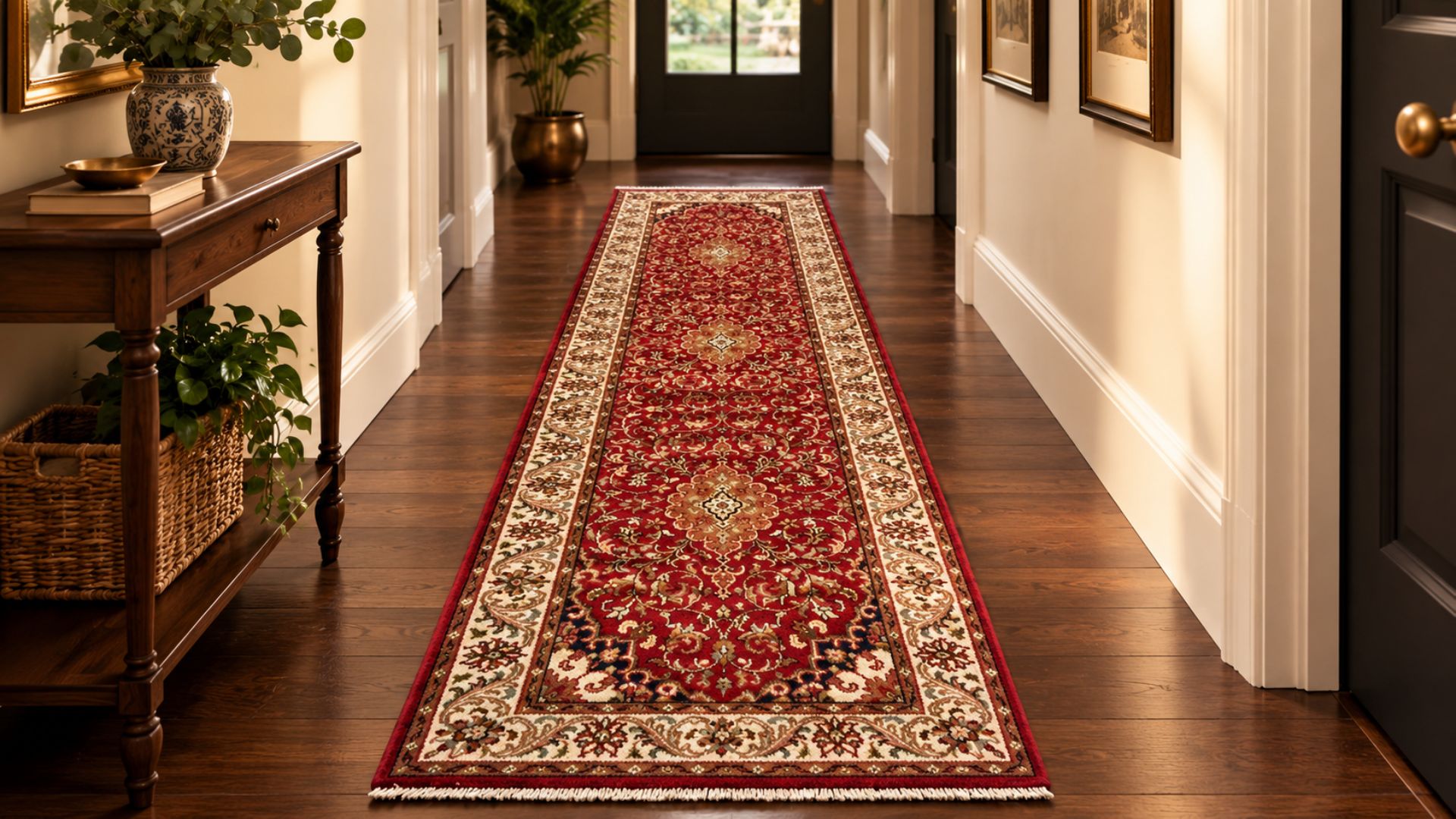
A hallway is often the first space people notice when they enter a home, yet it is one of the most overlooked areas in interior design. The right runner rug can make a narrow passage feel more welcoming, connect adjoining rooms, and introduce color, texture, and character without overwhelming the available space. For homeowners who appreciate traditional craftsmanship and timeless interiors, a vintage Persian Tabriz runner rug can be an elegant choice.
Tabriz rugs are known for their rich design traditions, detailed patterns, and association with Persian rug-making heritage. Their decorative appeal makes them suitable for a variety of interiors, from traditional homes to carefully balanced contemporary spaces. However, choosing the right rug involves more than finding an attractive pattern. You should also consider the hallway's dimensions, the rug's construction, its condition, your home's color palette, and the practical requirements of everyday use.
In this guide, we explain how to choose a Persian hallway runner rug, what to look for when purchasing a vintage Tabriz design, and how to style and maintain your selection for long-term enjoyment.
1. Understand What Makes a Vintage Persian Tabriz Runner Rug Special
Tabriz is a historic rug-making center in northwestern Iran, widely associated with intricate designs and skilled craftsmanship. Traditional Tabriz carpets may feature floral arrangements, medallions, elaborate borders, and finely detailed motifs. Individual rugs can vary considerably in pattern, color, materials, and construction.
A vintage Persian Tabriz runner rug brings these decorative qualities into a long, relatively narrow format. Instead of covering an entire room, a runner helps define a walkway while adding visual interest to an otherwise simple floor.
Vintage rugs can also have subtle variations in color and surface character that distinguish them from newly manufactured floor coverings. These characteristics may complement homes featuring hardwood floors, natural materials, traditional furniture, or a mixture of old and new furnishings.
When shopping, remember that not every rug described as Persian or Tabriz has identical characteristics. Ask about the individual rug's origin, approximate age, materials, construction, and condition. Reliable product descriptions and clear photographs are particularly important when purchasing vintage rugs online.
2. Measure Your Hallway Before Shopping
The first practical step in selecting a Persian hallway runner rug is measuring the available floor space. A beautiful rug may not look balanced if it is too short, too wide, or positioned incorrectly.
Start by measuring the hallway's length and width. Note the locations of doorways, floor vents, thresholds, built-in cabinets, and any areas where doors need additional clearance.
A runner should generally leave a visible strip of flooring along its sides. This creates a deliberate border around the rug rather than making the entire passage look covered. The appropriate margin depends on the hallway's proportions and the surrounding architecture.
For a long hallway, a longer runner can create continuity and guide the eye toward the next room. In a shorter entryway, a more compact design may provide the same decorative effect without making the space feel crowded.
Also consider the rug's actual measurements rather than relying solely on a rounded product title. Vintage rugs are individually made, and their dimensions may differ slightly from standard sizes.
Before ordering, compare the listed measurements with your available floor area. If the runner will sit near an entrance or doorway, check that it will not interfere with door movement or create an awkward transition between flooring surfaces.
3. Choose a Pattern That Complements Your Interior
One of the biggest advantages of a traditional Persian runner rug is its ability to introduce decorative detail into a relatively small area. The key is selecting a pattern that works with your existing interior rather than competing with it.
Floral and botanical designs
Floral motifs can soften a hallway dominated by straight architectural lines. They often work well with traditional furniture, natural wood finishes, decorative mirrors, and interiors that incorporate classic design elements.
Central medallions and detailed borders
Some Persian rugs feature a prominent central medallion framed by repeating motifs and decorative borders. These patterns can create a strong visual focal point, especially in a longer passage where the rug is clearly visible from adjoining rooms.
Repeating all-over patterns
Rugs with repeating motifs can provide a more continuous appearance along a hallway. Depending on their colors and scale, they may work particularly well in transitional interiors that combine traditional furnishings with contemporary accessories.
When comparing vintage Tabriz runner rugs, examine the complete design rather than focusing on one attractive detail. Consider how the pattern will look from the entrance, from nearby rooms, and alongside the flooring.
4. Select Colors That Work With Your Flooring and Walls
Color influences how a hallway feels. Since hallways frequently connect several rooms, a runner should complement the surrounding spaces without requiring every decorative element to match perfectly.
For homes with warm wood flooring, consider how the rug's dominant colors interact with the floor's natural undertones. Rich reds, earthy browns, muted golds, and other warm shades can create a cohesive traditional appearance when the colors work together.
For interiors with light walls and neutral flooring, a patterned vintage runner can introduce contrast and make the passage feel more visually interesting. Blue, ivory, muted green, rust, and other colors may work well depending on the rug's particular palette.
In darker hallways, a lighter or more varied color scheme may help balance the space. However, lighting also matters: a rug can appear different under natural daylight, warm bulbs, and cool artificial lighting.
Vintage rugs may show variations in color due to age, materials, dye characteristics, and previous use. Review available product photographs carefully and ask the seller for additional images when necessary. If possible, compare photographs taken under different lighting conditions.
The goal is not to match every color exactly. Instead, look for a rug that connects the hallway to the home's broader interior palette.
Suggest to Read:- How to Identify an Authentic Vintage Persian Rugs Before Buying
5. Evaluate Construction, Materials, and Condition
A rug's appearance is only one part of the buying decision. Construction and condition deserve equal attention, particularly when purchasing a vintage piece.
Hand-knotted construction
Hand-knotted rugs are made by tying individual knots around the foundation of the carpet. This labor-intensive process differs from machine-made manufacturing and is an important characteristic to verify when shopping for a hand-knotted Persian runner rug.
Inspect the product description for explicit construction details. Photographs of the front and back can help you understand the rug's structure, although a qualified assessment may be necessary when authenticity is uncertain.
Wool and other materials
Wool is commonly used in traditional Persian rugs because it can provide a resilient pile and a pleasing tactile surface. Some Persian rugs incorporate silk or other fibers, so material composition should be confirmed for the specific item rather than assumed from its design.
If you are considering a wool Persian runner rug for a busy hallway, ask about its pile condition, foundation, and recommended cleaning methods.
Vintage condition
Vintage rugs are individual pieces, and their condition can vary. Look for information about worn areas, repairs, fading, fringe, edges, stains, and structural integrity.
A well-documented condition report helps you make a more informed purchase. Do not assume that every vintage rug is damage-free simply because its photographs look attractive.
For a higher-value purchase, request additional close-up photographs or a video showing the rug's surface, edges, and reverse side. Understanding the item's actual condition is more useful than relying on broad descriptions such as premium quality or excellent condition alone.
6. Consider Everyday Foot Traffic and Safety
Hallways are functional spaces, so your runner should suit how your household uses them. Consider whether the area receives frequent foot traffic, whether people enter with outdoor footwear, and whether pets or children regularly pass through it.
A rug intended for a busy walkway should be evaluated for its construction, condition, ease of maintenance, and suitability for the intended location. A delicate or valuable vintage rug may be better suited to a lower-traffic hallway than an entrance exposed to moisture and heavy dirt.
A suitable rug pad can help reduce slipping and may improve stability underfoot. Choose a pad compatible with both the rug's backing and the floor material. Follow the flooring manufacturer's guidance, especially with finished hardwood, vinyl, or other surfaces that may be sensitive to certain pad materials.
Keep the runner flat and address curling corners or loose edges promptly. These issues can create tripping hazards regardless of the rug's age or value.
For entrances exposed to rain or snow, consider using a separate, easy-to-clean doormat to capture moisture and debris before they reach the vintage runner.
7. Style Your Traditional Persian Runner Rug
Once you have chosen the right rug, thoughtful placement can make it a natural part of your home's design.
In a traditional hallway, pair the runner with a wooden console table, framed artwork, or a decorative mirror. Keep accessories proportionate to the space so that the walkway remains comfortable and uncluttered.
In a contemporary home, contrast the rug's detailed pattern with simple furniture, neutral walls, and clean-lined lighting. This approach allows the rug to become a focal point without making the entire interior feel overly formal.
If the hallway opens into a living or dining area, consider the colors and patterns visible from both spaces. The runner does not need to match every nearby rug, but a shared color or complementary design can help create visual continuity.
Lighting is another useful consideration. Wall sconces, ceiling fixtures, or natural light can reveal the rug's texture and decorative details. Avoid placing furniture where it obstructs the main walking route or hides the design unnecessarily.
For additional options, explore Belmont Rugs to discover vintage and hand-knotted rugs that may suit different interiors.
8. Understand Vintage Rug Pricing and Value
The price of a vintage Persian Tabriz runner rug can vary significantly. Important factors include dimensions, materials, construction quality, design, age, condition, provenance, and current market demand.
A larger runner is not automatically more valuable than a smaller one. Similarly, an elaborate pattern does not independently establish authenticity or market value.
When comparing rugs for sale, evaluate the specific item's features and condition rather than relying exclusively on a stated original retail price or appraisal figure. Ask whether supporting documentation is available if age, origin, or valuation is important to your purchase.
Consider the total cost of ownership as well. Shipping, delivery arrangements, professional cleaning, and an appropriate rug pad may affect your overall budget.
Buying a vintage rug is ultimately about finding a piece that meets your practical needs and design preferences at a price you consider reasonable. Clear product information and direct communication with the seller can make that decision easier.
9. How to Care for Your Vintage Persian Runner Rug
Consistent, appropriate care can help preserve the appearance of a vintage runner. Begin by following the seller's recommendations for the specific rug, since cleaning needs can vary according to materials, construction, dyes, and condition.
Vacuum gently using a setting suitable for the rug. Avoid aggressive brushing or using a beater bar on a delicate or fragile vintage piece unless a qualified professional confirms that the method is appropriate.
Address spills promptly by blotting with a clean, absorbent cloth rather than rubbing the affected area. Avoid applying household stain removers, harsh chemicals, or excessive water without confirming that they are safe for the rug.
If the rug develops persistent odors, significant staining, color bleeding, or structural concerns, consult a professional experienced in cleaning and repairing hand-knotted Persian rugs.
Rotate the runner periodically when appropriate to distribute wear and sunlight exposure more evenly. Check the underside, edges, and surrounding floor occasionally for moisture, slipping, or signs of damage.
Careful maintenance is particularly worthwhile when the rug has financial, decorative, or sentimental value.
Frequently Asked Questions
1. What makes a vintage Persian Tabriz runner rug different from other runners?
A Tabriz runner reflects a rug-making tradition associated with detailed patterns and Persian design heritage. Individual pieces vary in their materials, construction, colors, and age, so evaluate the specific rug rather than assuming all Tabriz designs are identical.
2. What size Persian hallway runner rug should I buy?
Measure your hallway's length and width, then compare those measurements with the rug's actual dimensions. Leave enough visible flooring along the sides and ensure the runner does not interfere with doorways or other features.
3. Are traditional Persian runner rugs suitable for modern homes?
Yes. A traditional runner can complement contemporary interiors by adding texture, pattern, and contrast. Pair it with simple furnishings and neutral finishes if you want the rug to serve as a focal point.
4. How can I verify whether a vintage Tabriz runner is hand-knotted?
Review the seller's construction details and request clear photographs of the front and back. For a valuable purchase, seek an independent assessment if authenticity or construction remains uncertain.
5. How do I maintain a vintage wool Persian runner rug?
Use gentle, suitable vacuuming, blot spills promptly, protect the rug from excessive moisture, and consult an experienced rug-care professional for difficult stains or delicate pieces. Follow care instructions specific to the rug's materials and condition.
6. Where can I buy vintage Persian Tabriz runner rugs online?
Belmont Rugs offers a selection of vintage and hand-knotted rugs, including runner designs. Review each listing's dimensions, materials, condition, photographs, availability, and shipping information before placing an order.
Conclusion
Choosing the right vintage Persian Tabriz runner rug involves balancing design, dimensions, construction, condition, and everyday practicality. A carefully selected runner can define a hallway, complement surrounding rooms, and bring traditional decorative character into your home.
Before purchasing, measure your space, review the rug's details, assess its condition, and consider how it will function in your household. Taking these steps can help you choose a traditional Persian runner rug that suits both your interior design preferences and your practical requirements.
Explore Belmont Rugs' runner rug collection to compare available styles and find a piece that works for your home.
Belmont Rugs
- Address: 11033 Carolina Place Pkwy, Pineville, NC 28134-8370 Booth #1011
- Phone: 253-691-1000
- Email: Info@BelmontRugs.com