Cart
0
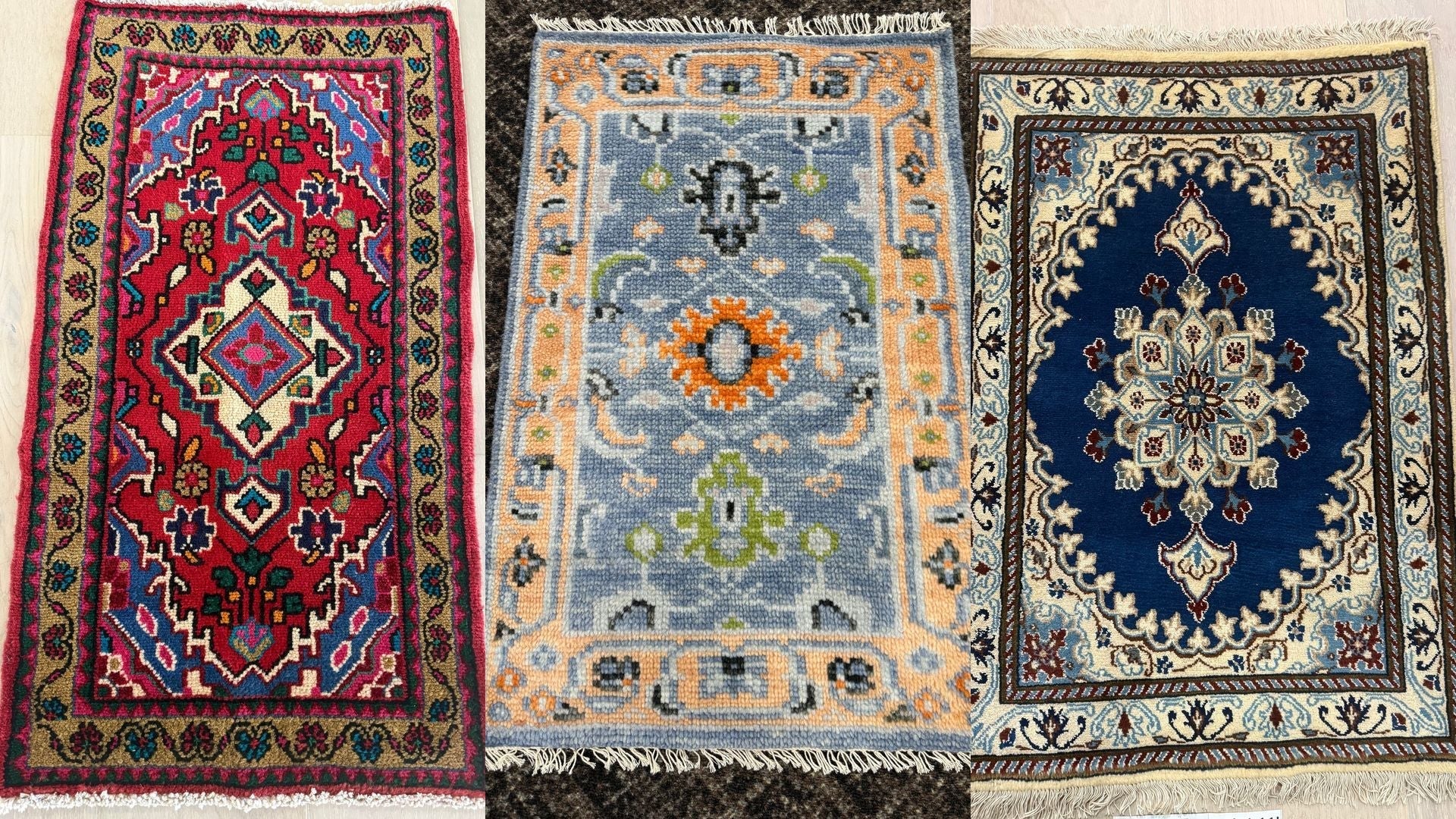
A Persian rug is one of the few home furnishings that gets more beautiful with age. Passed down through generations in many families, an authentic hand-knotted Persian rug is not just a floor covering it's a piece of textile art, a family heirloom in the making, and often the single design element that pulls an entire living room together.
But choosing the right one can feel overwhelming. Between regional weaving traditions, wool quality, knot density, and dozens of pattern styles, first-time buyers often don't know where to start. At Belmont Rugs, we've spent years helping homeowners across the United States select authentic Persian rugs that fit their space, lifestyle, and budget and in this guide, we're sharing exactly how we recommend choosing one for your living room.
Why Choose an Authentic Persian Rug?
Not all Persian-style rugs are created equal. Machine-made imitations may mimic the look, but they lack the durability, texture, and investment value of genuine hand-knotted Persian rugs. Authentic pieces are woven by skilled artisans, often using techniques passed down over centuries in regions like Tabriz, Kashan, Isfahan, and Heriz.
Genuine Persian rugs offer:
- Exceptional durability — many pieces last 50–100+ years with proper care
- Natural materials — hand-spun wool, silk, or wool-silk blends that age gracefully
- Investment value — quality pieces often appreciate over time
- One-of-a-kind character — no two hand-knotted rugs are exactly alike
If you're browsing options, our Persian Rugs collection features hand-selected, authenticated pieces sourced directly from weaving regions, so you can shop with confidence knowing exactly what you're bringing into your home.
Step 1: Measure Your Living Room Correctly
Size is the most common mistake buyers make. A rug that's too small will make your living room feel disjointed; one that's too large can overwhelm the space.
General sizing guidelines:
- Small living rooms (under 200 sq ft): A 6' x 9' rug typically works well, with furniture legs partially resting on the rug.
- Medium living rooms (200–350 sq ft): An 8' x 10' or 9' x 12' rug allows all furniture front legs to sit on the rug.
- Large or open-concept living rooms: Consider a 10' x 14' or larger rug, or layer two rugs to define separate seating areas.
A helpful rule of thumb: leave 12–18 inches of bare floor visible between the rug's edge and your walls. This creates a "framed" look rather than a wall-to-wall carpet effect.
Step 2: Choose a Style That Matches Your Home
Persian rugs come in several distinct regional styles, each with its own character:
- Tabriz rugs — intricate medallion designs with fine knotting, ideal for formal or traditional living rooms
- Heriz rugs — bold geometric patterns and warm earth tones, great for rustic or eclectic interiors
- Kashan rugs — dense floral motifs in rich reds and blues, suited to classic and transitional spaces
- Isfahan rugs — highly detailed, symmetrical designs often in silk, best for statement pieces in upscale settings
If your living room leans modern or minimalist, look for a Persian rug with a simpler central medallion and open field, rather than an all-over busy pattern. This lets the rug act as an accent rather than competing with your furniture.
Step 3: Pick the Right Color Palette
Color is where most homeowners get stuck, but a simple approach solves it: decide whether your rug should anchor the room or blend into it.
- Anchor piece: Choose a rug with a dominant color that contrasts with your walls and sofa — for example, a deep red or navy Persian rug against neutral gray or beige furniture.
- Blend-in piece: Choose a rug with muted, tonal colors close to your existing palette (soft ivory, camel, or faded blue) for a calmer, cohesive look.
A useful trick used by interior designers: pull one secondary color from the rug's pattern (often found in the border or corner motifs) and echo it in throw pillows, artwork, or curtains. This creates visual harmony without matching everything too literally.
Step 4: Understand Knot Density and Material
Knot density directly affects a rug's durability, pattern clarity, and price. Hand-knotted Persian rugs are typically measured in knots per square inch (KPSI):
- 80–150 KPSI: Good everyday durability, simpler patterns
- 150–300 KPSI: Finer detail, ideal for formal living rooms
- 300+ KPSI: Museum-quality, highly detailed silk or wool-silk pieces
Wool rugs are generally best for high-traffic living rooms because they're naturally stain-resistant and resilient. Silk or silk-blend rugs are stunning but better suited to lower-traffic formal spaces.
Step 5: Set a Realistic Budget
Authentic hand-knotted Persian rugs are a long-term investment. Prices vary based on size, age, knot density, and regional origin, but understanding the value helps you avoid overpaying for imitations or underpaying for something that won't last.
Our team at Belmont Rugs is always happy to walk customers through pricing for specific pieces in our Persian Rugs collection — including vintage and antique options for those seeking a rug with existing patina and history.
Care Tips to Protect Your Investment
- Rotate your rug every 6–12 months for even wear
- Use a quality rug pad to prevent slipping and add cushioning
- Vacuum without a beater bar, and have it professionally cleaned every 1–2 years
- Address spills immediately with a clean, dry cloth (avoid rubbing)
Also Suggest to Read:- What Are Oushak Rugs? Everything You Need to Know Before Buying
Frequently Asked Questions
How do I know if a Persian rug is authentic and hand-knotted?
Check the back of the rug hand-knotted pieces show the same pattern on both sides with visible individual knots, while machine-made rugs have a uniform, often glued backing. Authentic rugs also have slight irregularities in pattern, a sign of handcraftsmanship rather than a flaw.
What size Persian rug is best for a standard living room?
For most standard-sized living rooms (roughly 12' x 15'), an 8' x 10' or 9' x 12' hand-knotted Persian rug works well, allowing furniture to sit partially or fully on the rug.
Are hand-knotted Persian rugs worth the investment?
Yes. Quality hand-knotted rugs are durable, often lasting decades with proper care, and many appreciate in value over time, unlike mass-produced alternatives.
Can a Persian rug work in a modern living room?
Absolutely. Choosing a piece with a simpler pattern and a color palette that complements your existing decor allows a Persian rug to feel intentional in contemporary spaces rather than out of place.
Where can I buy authentic Persian rugs online in the USA?
You can browse a curated selection of authenticated, hand-knotted Persian rugs at Belmont Rugs' Persian Rugs collection, with nationwide shipping across the USA.
Final Thoughts
Choosing a Persian rug for your living room comes down to four factors: accurate measurements, a style that suits your interior, a color strategy that either anchors or blends, and quality construction that will last for generations. Take your time, examine the craftsmanship closely, and buy from a source that can verify authenticity.
Ready to find your perfect piece? Explore our full range on the Belmont Rugs homepage or browse our curated Persian Rugs collection today.
Belmont Rugs
- Address: 11033 Carolina Place Pkwy, Pineville, NC 28134-8370 Booth #1011
- Phone: 253-691-1000
- Email: Info@BelmontRugs.com